① japan is located at the asia-pacific network hub and has abundant international submarine optical cables and backbone exchange points;
② it has the advantage of low latency for china, southeast asia, south korea and other regions (usually 30%+ faster than european and american nodes);
③ the japanese computer room provides a variety of vps and physical host options to adapt to different traffic scales;
④ the local dns resolution and domain name service respond quickly, which is conducive to the optimization of time to first packet (ttfb);
⑤ the cost and availability of connecting cdn, anycast and ddos cleaning points are high, which facilitates the implementation of the overall solution.
① deploy bgp multi-line access to ensure link redundancy and shortest route selection;
② use anycast to distribute analysis/access points to multiple computer rooms such as tokyo and osaka to reduce backhaul jitter;
③ for high concurrency, it is recommended to purchase at least 1gbps dedicated line or unrestricted port;
④ measurement indicators include rtt, packet loss rate and jitter. the target rtt is controlled within 30-80ms (depending on the source);
⑤ configure public ip and second-level domain name resolution strategies, and combine with geodns to achieve regional traffic distribution.
① use cdn pops close to japan (tokyo, osaka, sapporo) to cache static resources;
② enable http/2 and tls1.3 to reduce handshake and concurrent request delays;
③ use smart routing and long connection multiplexing for dynamic requests;
④ set a reasonable caching strategy: max-age for static resources ≥ 7 days, short caching or no caching for dynamic interfaces;
⑤ use edge scripts/edge cache rules (edge cache) to perform differentiated compression and merging based on user regions.
① choose a computer room with cleaning capabilities or add cloud cleaning services (peak support is at least 10gbps);
② rate limit syn/udp flooding at the firewall layer, enable connection tracking and rate limiting;
③ deploy waf to protect against common application layer attacks (sqli, xss, malicious crawlers);
④ configure automated threshold alarms (number of traffic/connections) and link them with backup back-to-origin strategies;
⑤ regularly apply patches, strengthen ssh key login, close unnecessary ports, and use tools such as fail2ban.
① small site (recommended) vps example: 2 vcpu / 4gb ram / 50gb nvme / 500mbps bandwidth;
② medium-sized e-commerce instance: 8 vcpu / 16gb ram / 200gb nvme / 1gbps unlimited speed, bgp anycast ip;
③ large business (physical): 2 x 10-core cpu / 64gb ecc / 1tb nvme raid / 10gbps dedicated line + ddos 20gbps;
④ software stack recommendations: nginx (worker_connections≥10240), php-fpm or node.js clustering, redis cache;
⑤ optimization items: enable gzip/brotli, use quic/http3, and adjust keepalivetimeout to within 30 seconds.
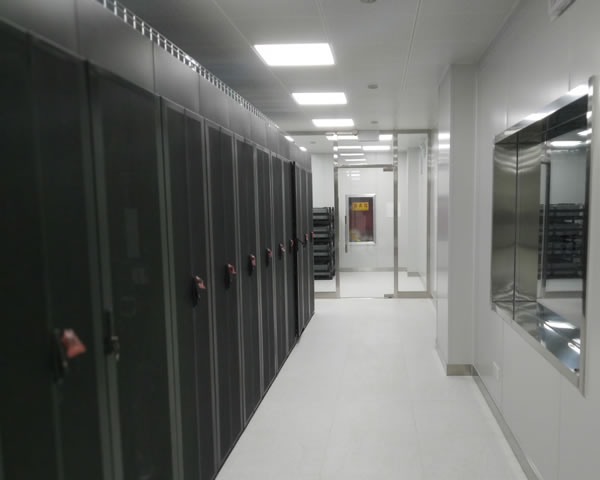
① background: domestic cross-border e-commerce company a targets the southeast asian and japanese markets. it originally used european and american computer rooms, and the delay in some areas was high;
② solution: added tokyo computer room vps + anycast dns + japanese local cdn pop + ddos hosting cleaning service;
③ configuration (actual): vps 8 vcpu /16gb /200gb nvme /1gbps, anycast dns 3 points (jp/tw/sg), cdn cache rate increased to 85%;
④ performance comparison (see the table below before and after deployment): the average rtt and packet loss of japanese nodes have improved significantly;
⑤ results: the first screen loading time of the page dropped from 4.2s to 1.6s, the conversion rate increased by about 12%, and the user complaint rate dropped by 70%.
① evaluate the traffic distribution in the target market and prioritize deploying nodes close to core users in japan;
② select a supplier that supports bgp/anycast and ddos cleaning, and sign an sla to ensure availability;
③ conduct a small-scale pilot first (1-2 vps + cdn), and then expand the capacity after passing data verification;
④ continuously monitor rtt, packet loss, qps and cache hit rate, and perform automatic expansion;
⑤ regularly practice ddos emergency plans to ensure smooth switching process and no single point of failure.
- Latest articles
- Discussion On Application Scenarios And Stability Of Singapore Servers In Cross-border E-commerce
- Detailed Configuration Suggestions For Which Small Websites And Personal Projects Taiwan 500m Vps Is Suitable For
- How To Improve The Availability And Stability Of Cloud Hong Kong Cn2 Server Through Multi-line Redundancy
- How Singapore Vps Cloud Can Be Linked With Local Cloud Platform To Achieve Hybrid Cloud Deployment
- Promotional Season Purchasing Guide: Taiwan Server Special Offer Information Monitoring And Purchase Timing Suggestions
- How To Buy Ssr Japanese Server And Implement Multi-node Load Balancing Deployment
- Security Level Determines Which Taiwan Native Ip Platform Pays More Attention To Privacy And Compliance
- Assessment Of Vietnamese Cn2 Service Providers’ Capabilities In Responding To Large Traffic Emergencies
- Global E-commerce Platform Accelerates Discussion On Vps, Singapore Or Japan Node Location Selection Guide
- Analyze The Reasons For The Delay Of Hong Kong Servers In Malaysia From An Operational Perspective
- Popular tags
-

Explore The Advantages And Usage Tips Of Japanese Av Servers
this article discusses the advantages and usage techniques of japanese av servers, and recommends dexun telecommunications as a high-quality service provider. -

The Importance And Participation Methods Of Amazon Japan Operations Group
this article introduces in detail the importance and participation methods of the amazon japan site operation group, focusing on server-related content. -
Features And Application Scenarios Of Sharp’s Latest Server Configuration
discuss the characteristics and application scenarios of sharp's latest server configuration, and analyze its application value in different fields.